
100 YEARS OF BLUE, GOLD, AND HEART
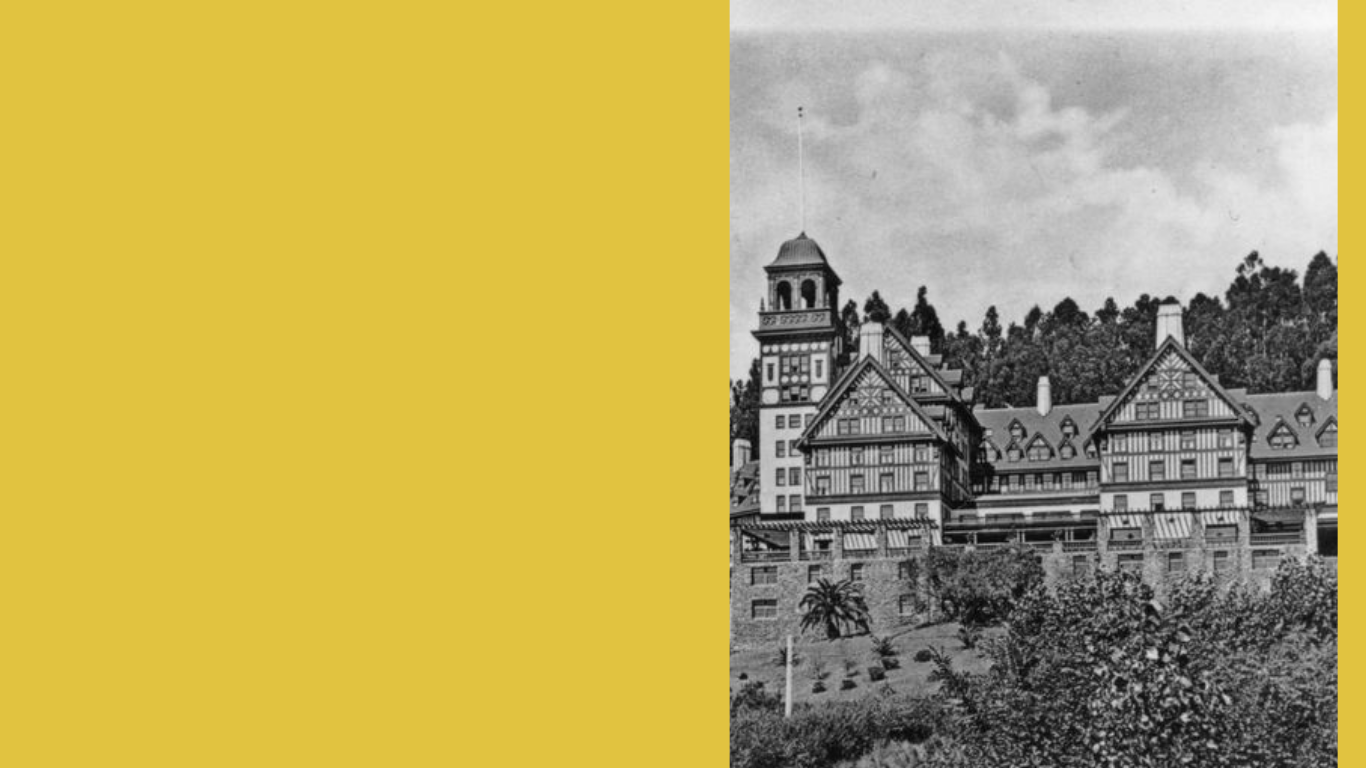
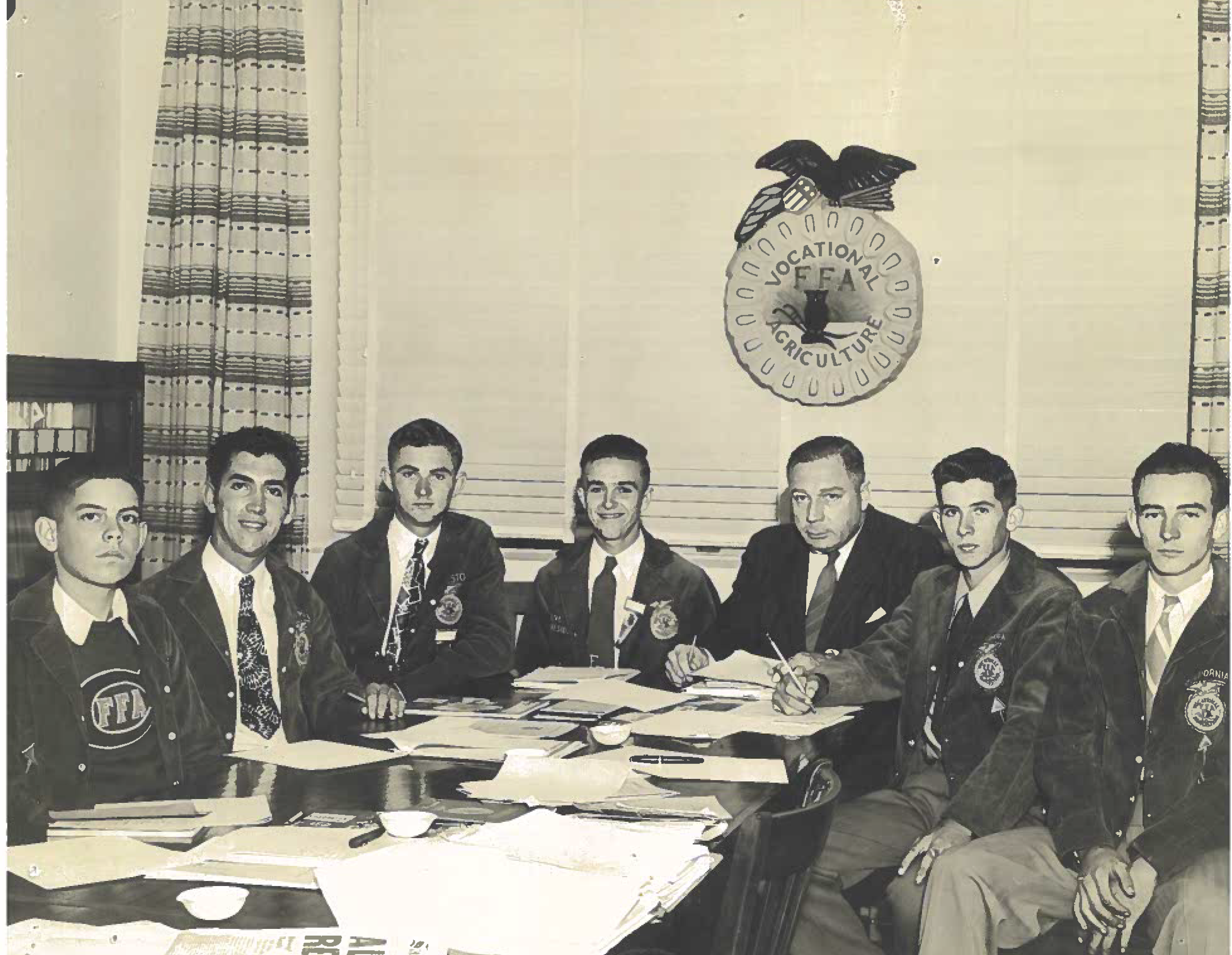
It all began with a group of thirty young, eager men in Oakland, California, on October 26, 1928. They gathered at the Hotel Claremont, became united by the idea of the Future Farmers of America, and walked out as the California Association of the Future Farmers of America — National Charter No. 4. They may have felt the weight of the moment, but when they came together, something unbreakable started. Through a century of change—hard times, breakthroughs, growth beyond imagination—the blue and gold that started it all has remained constant. It’s held shaking shoulders at first speeches, soaked up sweat after victories in the fields and show rings, and been hugged tight at reunions years later. This is the full story of California FFA that helped grow thousands of leaders, doers, and achievers throughout the Golden State.
1928-1929: THE FIRST MOMENTS IN OAKLAND
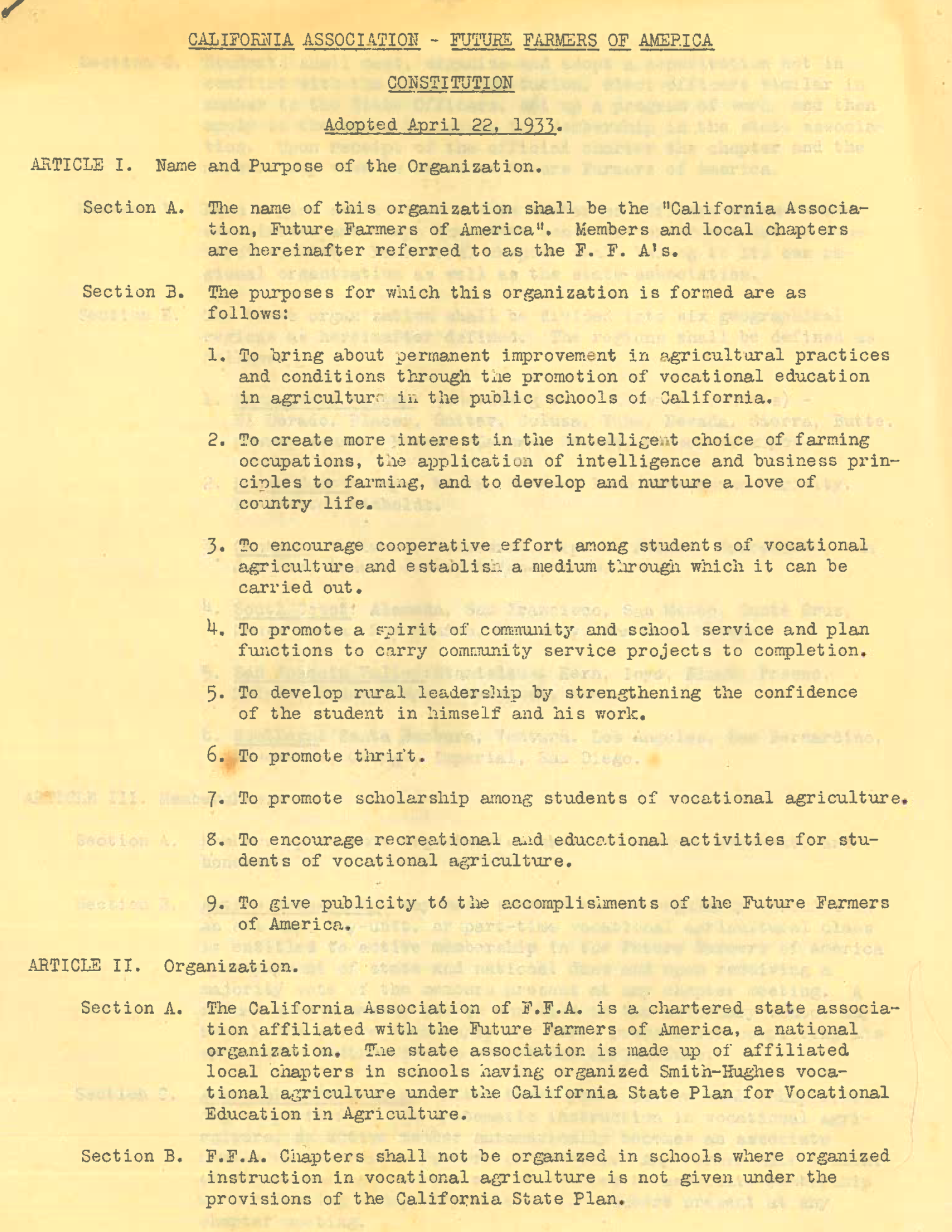
October 26, 1928, Hotel Claremont, Oakland, California. This marked the beginning of the California FFA Association. Held just one month before the actual formation of the national organization of Future Farmers of America, the meeting was attended by the California Regional Supervisors of Agricultural Education, Howard Chappell, Ed Everett, R.J. Werner, A.G. Rinn, and State Supervisor of Agricultural Education, Julian McPhee. By the meeting’s conclusion, California was issued Charter No. 4 of the Future Farmers of America, becoming one of the first states to make history.
Over the next year, 29 local chapters were chartered, and later, the first State Convention took place in Sacramento. In 1929, student leadership began forming, with Arthur Ketterlin of Santa Rosa elected as National FFA Vice President, the first national officer from California. Those early moments were full of responsibility, transformation, and uncertainty. Ag education taught a generation that agriculture wasn’t just work. It required more than just technical skill; it demanded leadership, community, and forward thinking.
Looking back, few in that meeting room could have imagined that their humble vision would grow into one of the largest and most influential student-led organizations in the nation. Today, and for the next 100 years, the spirit of that first meeting still resonates at every gavel tap, reminding FFA members that they are part of a legacy far greater than themselves.
1930s-1940s: RESILIENCE WRAPPED IN CORDUROY
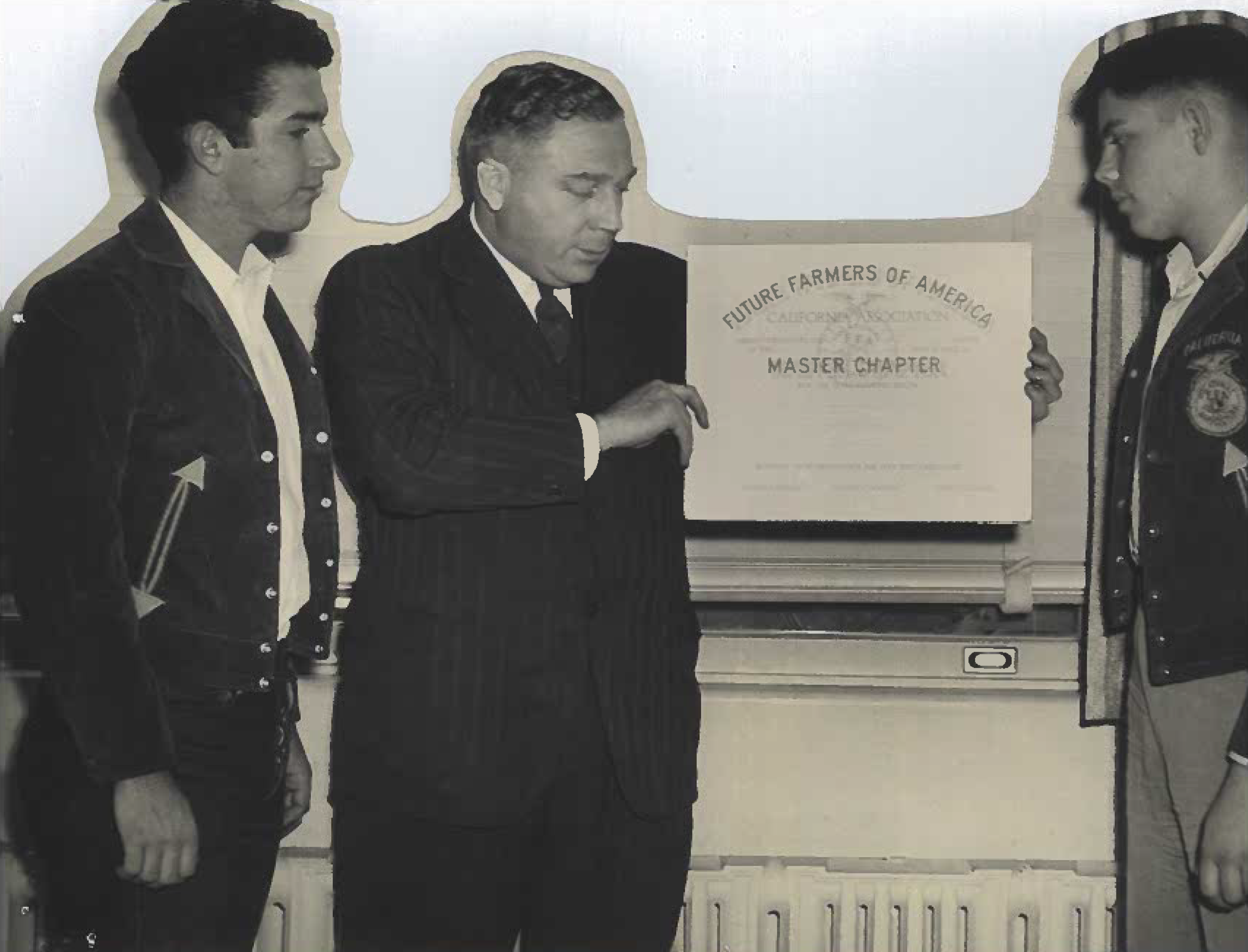
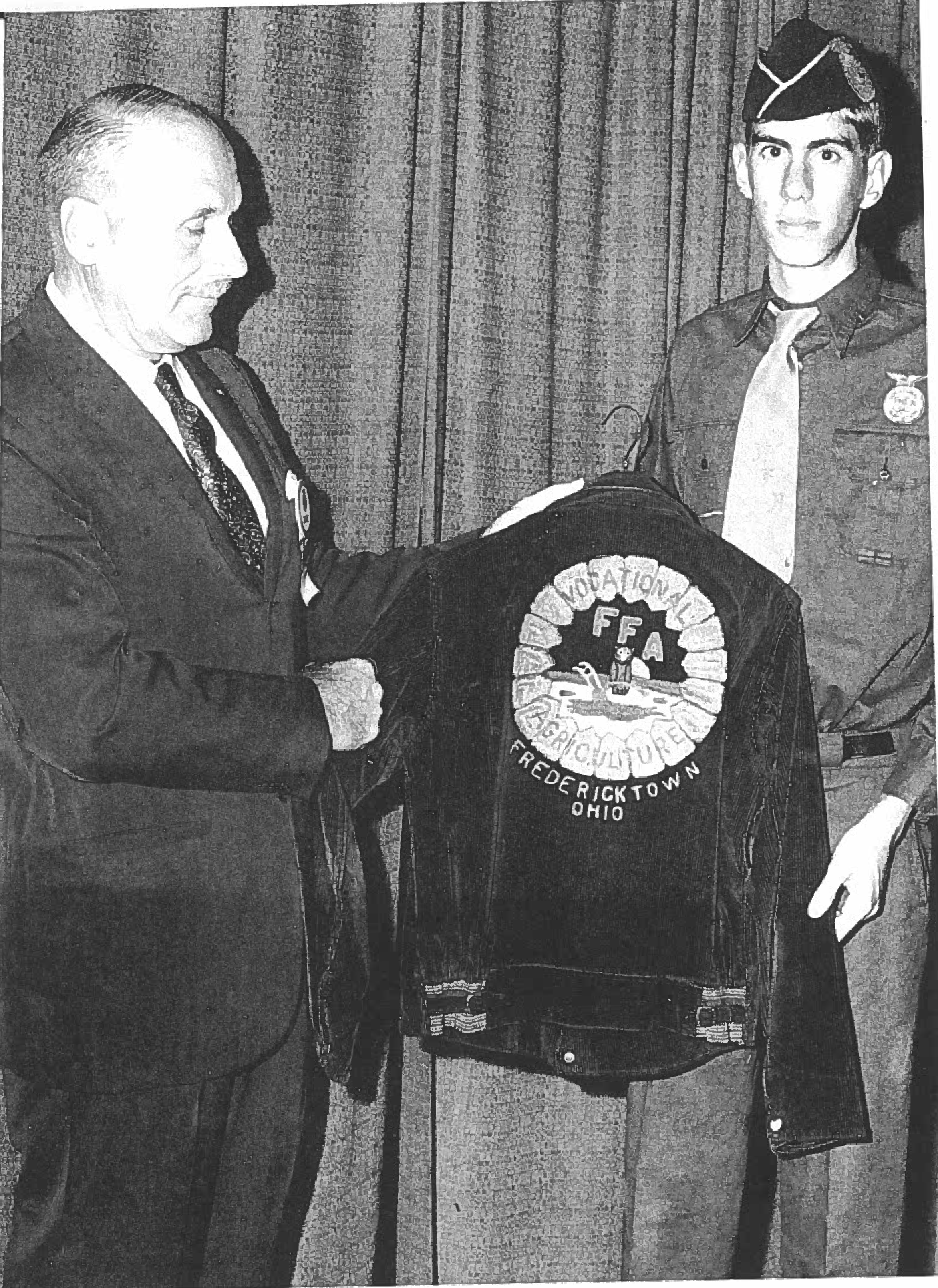
As California FFA found its footing during the 1930s and 1940s, a symbol was emerging that would come to define generations of FFA members. In 1933, FFA advisor Gus Linter of Fredericktown, Ohio, outfitted his chapter members with distinctive blue corduroy jackets with their names stitched in gold. When Fredericktown members wore them to National FFA Convention in Kansas City, the response was immediate. What began as a local chapter idea quickly became a defining symbol of the newly formed Future Farmers of America identity and was soon adopted as part of FFA’s official dress.
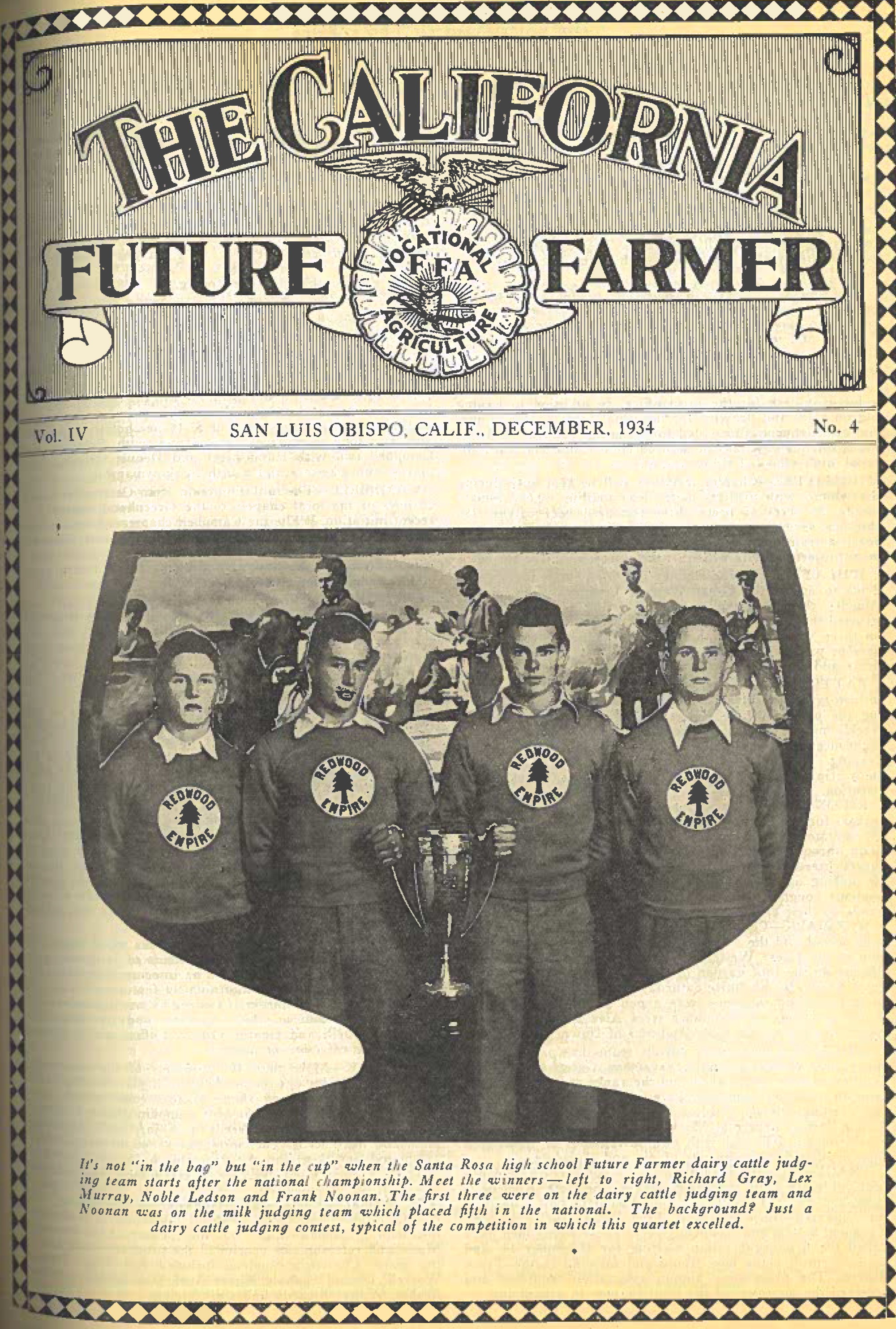
As this symbol took unity across the country, California FFA was growing rapidly and blazing its own trail. In 1932, the first California FFA state magazine was published, printing up news submitted by chapters and the latest information on livestock, poultry, crops, horticulture, dairy, and mechanics. By 1934, the California FFA State Convention had moved to Cal Poly, San Luis Obispo, where it remained for several decades. Later in 1941, California FFA sent its first large delegation to the National FFA Convention by rail, involving a special car for FFA members. Although World War II temporarily paused those trips, California FFA members once again boarded trains to attend National Convention a few years later.
Beginning in 1936, California FFA chapters began traveling to the National FFA Convention to compete on a national stage, marking the growing prominence of Career Development Events (CDEs). California members quickly established themselves as strong competitors, with teams earning national champion titles in Dairy Judging, Livestock Judging, Milk Judging and Horse Judging throughout the decade.
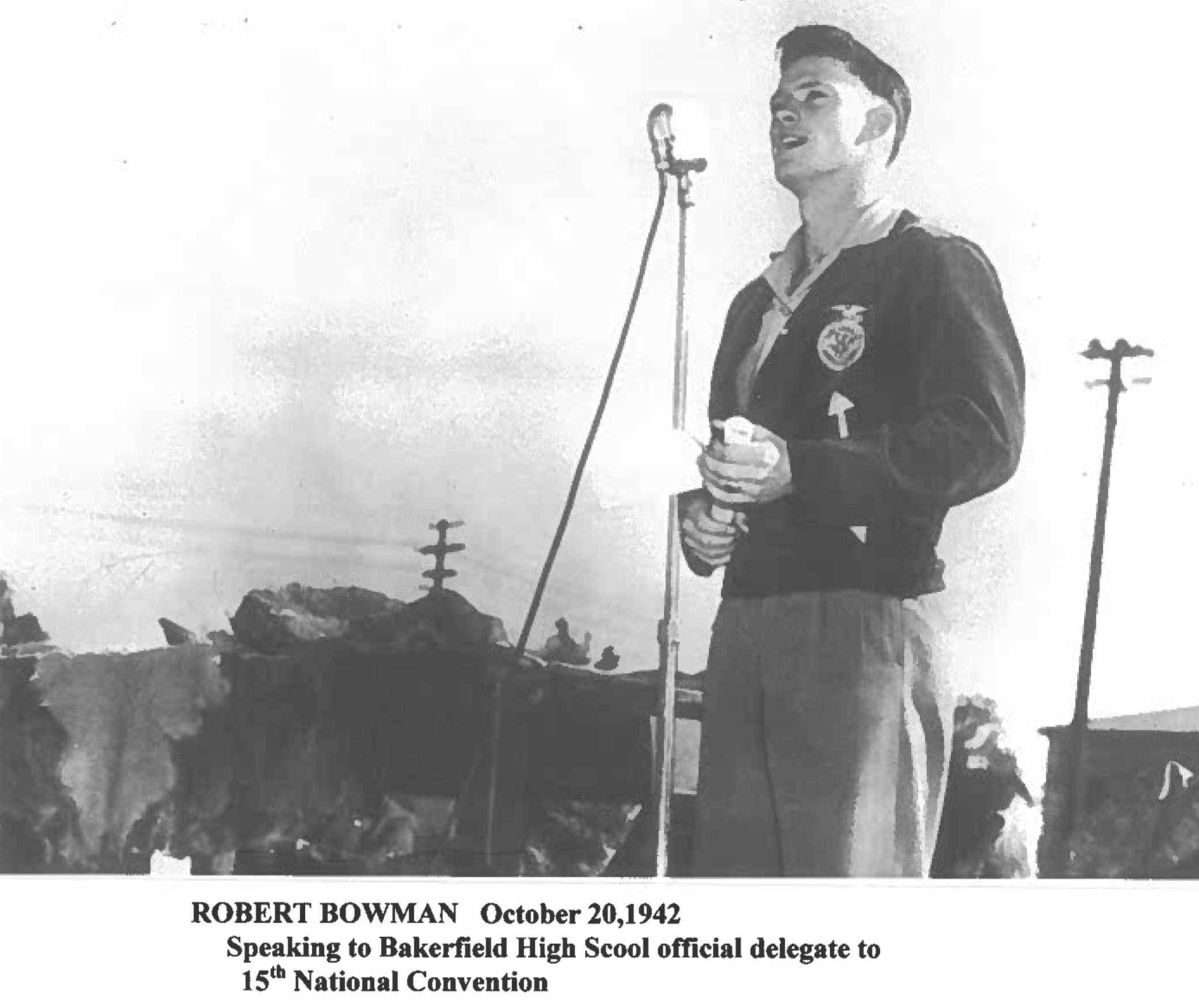
California FFA members were also setting the stage for leadership. In 1943, Robert Bowman of Bakersfield FFA became the first California FFA member to serve as president of the National FFA Organization. Later in 1944, the first National FFA Proficiency Award was presented in the area of agricultural mechanics—just the start of this highly respected honor within FFA.
Through growth, change, and challenge, the jacket didn’t just survive those decades — it became the symbol of unity, resilience, and unbreakable spirit that continues to shape agriculture and leadership a century later.
1950s: NEW BEGINNINGS & CONTINUED GROWTH
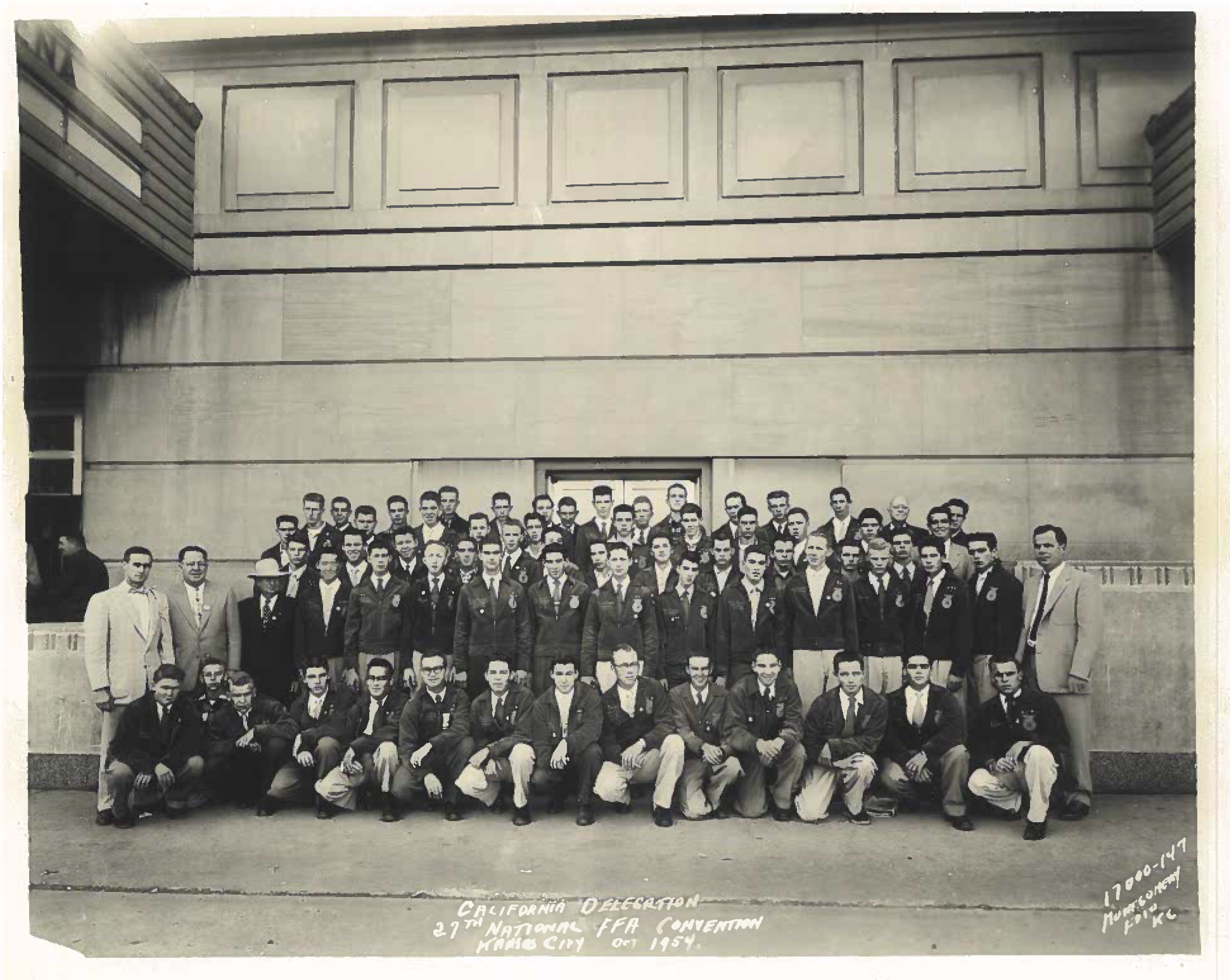
Over the 1950s, chapters spanned valleys and coasts as the state’s agriculture boomed into one of the most productive regions in the world. As postwar mechanization, irrigation, and food processing advanced California agriculture, FFA members were gaining practical experience and preparing for the industry's changing demands. Members sporting their jackets traveled to county fairs, judging contests, meetings, and conventions, including the 1952 State FFA Convention, where Hayward-Foothill FFA member Leo Clark was elected as the first African American state FFA officer, serving as president. As opportunities expanded for every member, California FFA truly began to flourish. With that, the blue corduroy became a uniform of optimism—quiet proof that hard work, heart, and a strong mission could still build the future of American agriculture.
1960s: THE JACKET FINALLY FIT EVERYONE; CHANGE WAS COMING
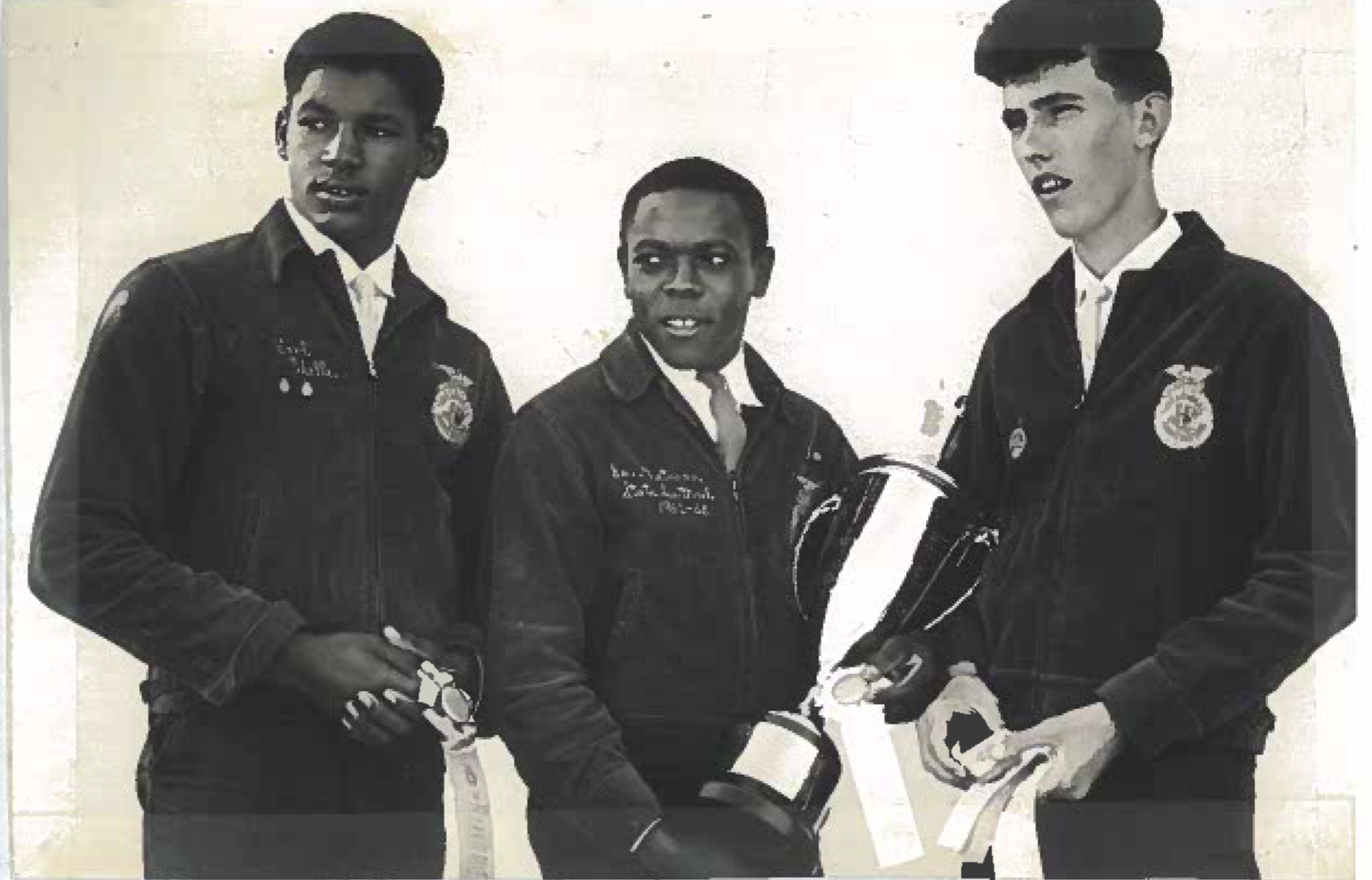
The 1960s ushered in a new era of growth, as more young people than ever before had the opportunity to be apart of FFA. In 1965, the New Farmers of America, the organization for African American agricultural students, merged with the Future Farmers of America, adding 50,000 members.
In 1967, Joe Martinez of Winters FFA was elected as state president, becoming the first Hispanic member to serve a state officer position.
Later in October 1969, after years of advocacy, the Future Farmers of America struck “male” from its constitution after a motion was made by a California FFA member. For the first time, young women zipped up the same blue corduroy and stood shoulder to shoulder with their peers in leadership.
The jacket that had once belonged to a few was now worn by more young people than ever before, reflecting a growing and changing generation of California agricultural leaders. It grew with the times. It opened wider. And California FFA grew stronger for it.
1970s: CONTINUED GROWTH, ONE ZIP AT A TIME
The 1970s followed the same pattern, as membership climbed, leadership opportunities expanded, and agricultural education reached more communities across California. Contests grew more competitive, state convention became a lasting tradition, and lifelong friendships were formed while wearing the blue corduroy. Statewide, FFA programs increasingly emphasized supervised agricultural experiences, giving students opportunities to apply classroom learning through hands-on agricultural projects, businesses, and work experiences.
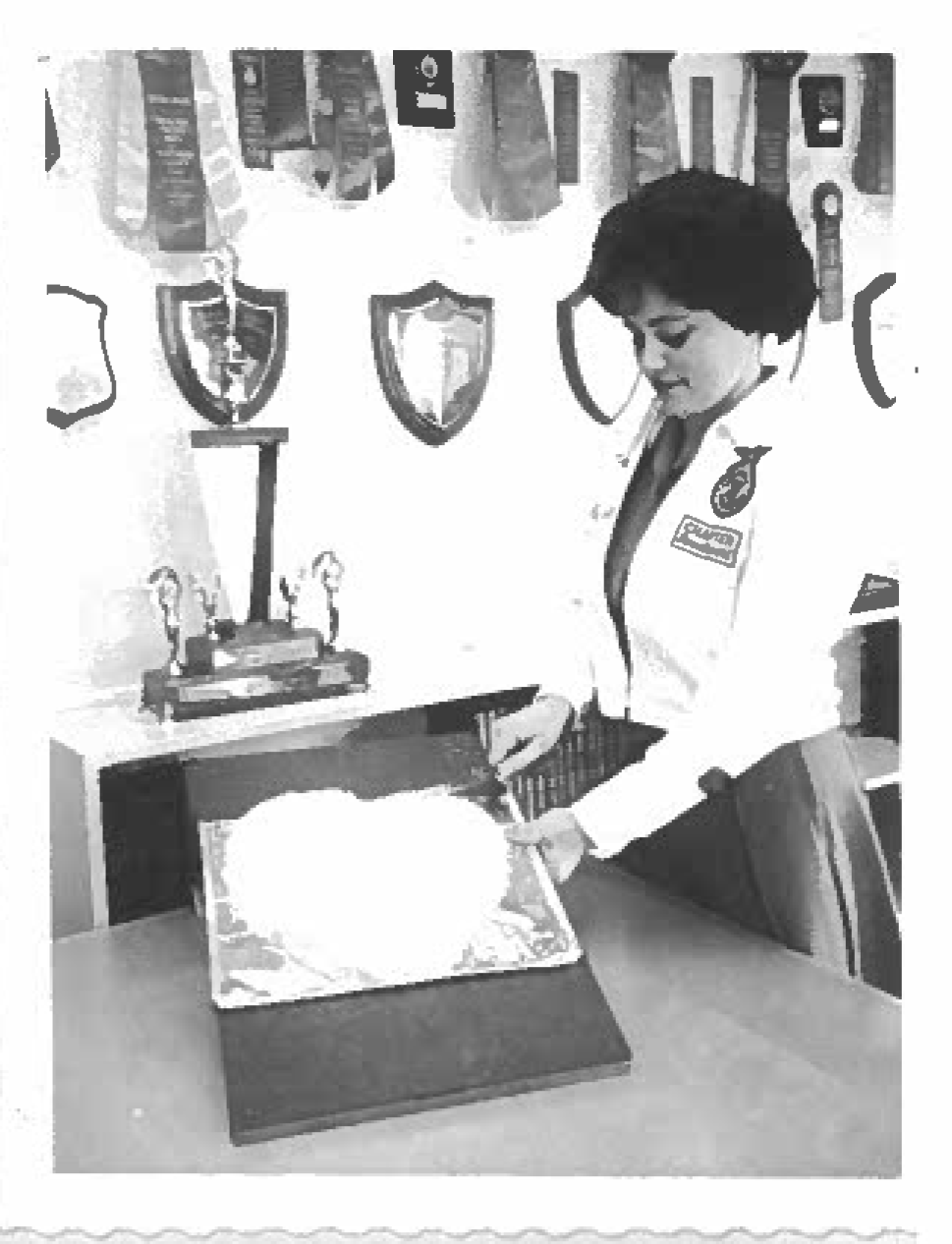
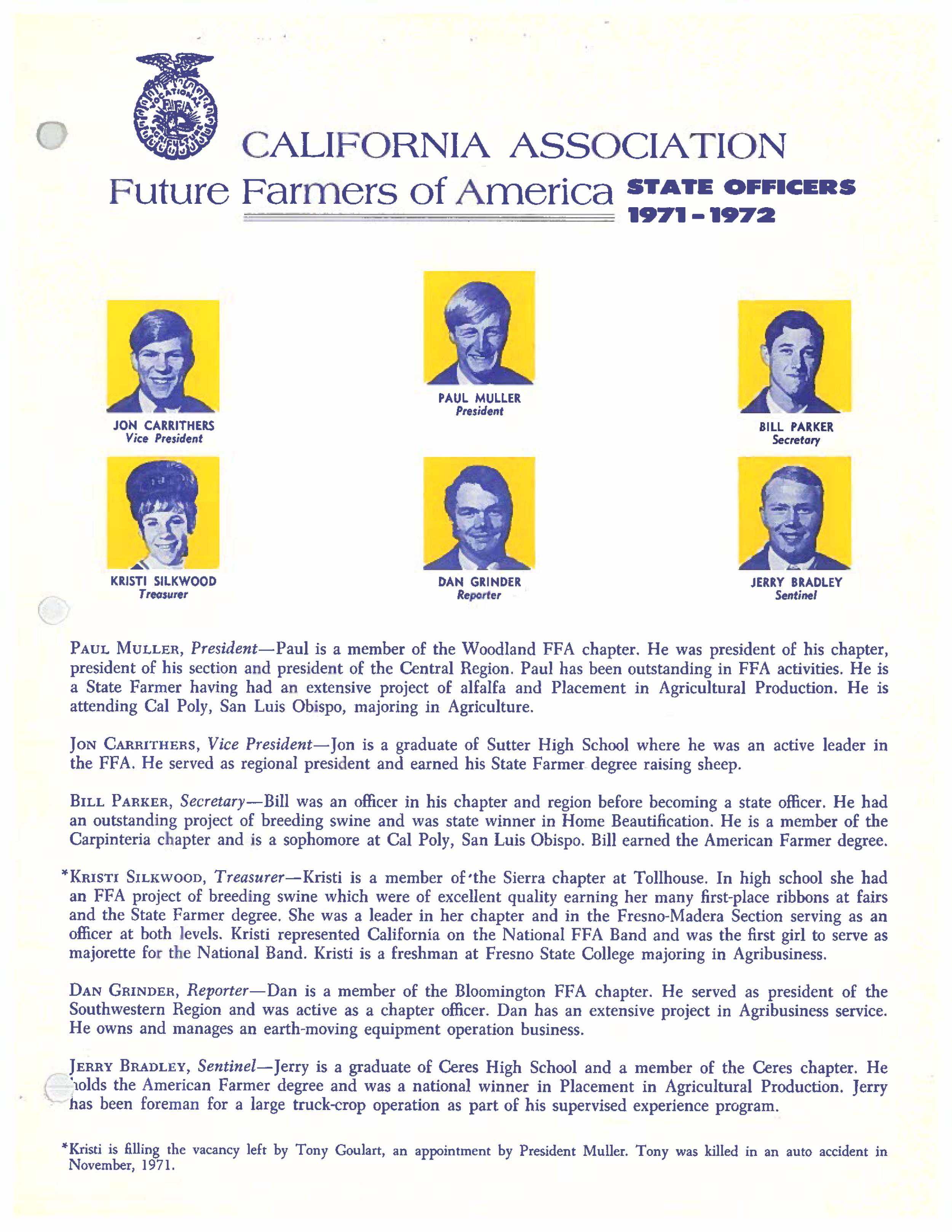
As demand for FFA programs increased, so did the commitment of its leaders. California FFA led the way in giving female FFA members the same opportunity as their peers, especially when Kristiann Silkwood Mattes of Tollhouse-Sierra FFA became the first female state officer in 1971. Soon after, in 1972, for the first time ever, California FFA state officers deferred college for a year to fully dedicate themselves to serving the organization. It has been a continued tradition since then.
1973 marked the second year in which girls were eligible to receive the American Farm Degree. Only four girls met the criteria that year, one being California’s very own Kristann Silkwood Mattes.
By 1978, agricultural education was offered in more than 400 schools, reaching over 45,000 students statewide. With every new chapter, every contest, and every pin of accomplishment, FFA carried the same enduring message: there was a place for every student. As California FFA expanded into every corner of the state, countless young people discovered not only a passion for agriculture, but also confidence, purpose, and a community that would last a lifetime.
1980s: NATIONAL SPOTLIGHT & HISTORY MADE
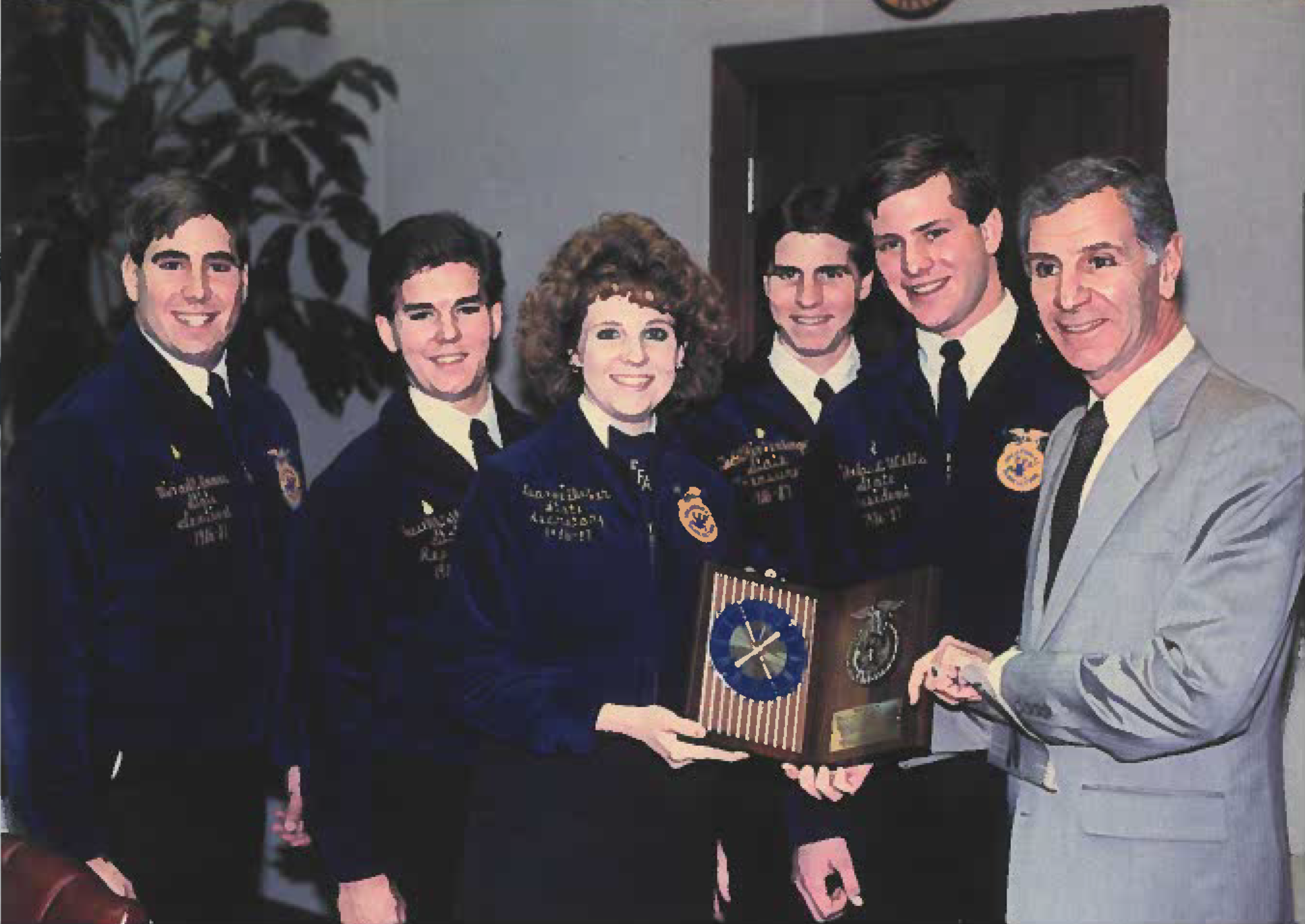
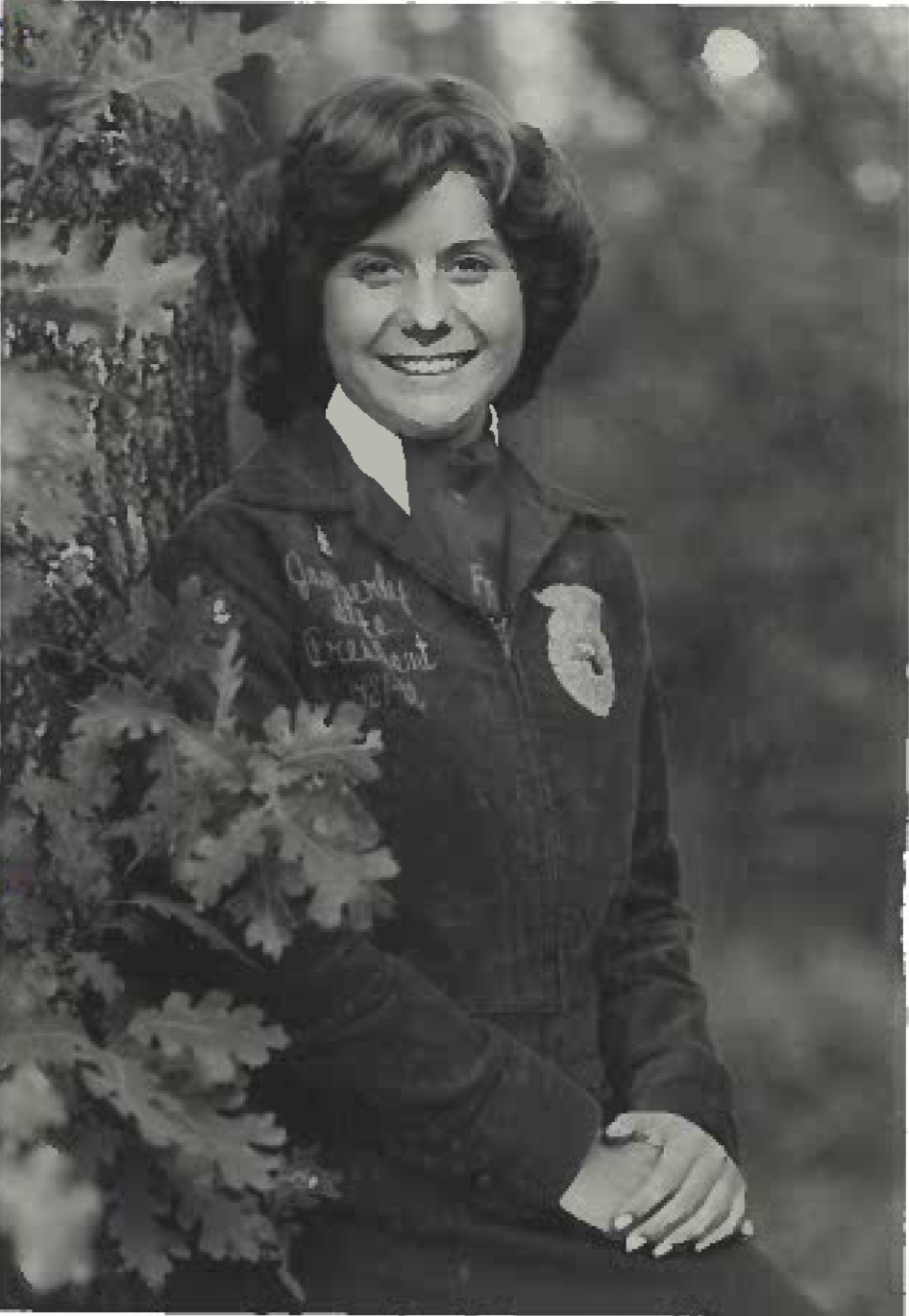
The 1980s were a decade of milestones that proved California FFA's influence reached far beyond state lines. Jan Eberly from Fallbrook FFA was elected as California FFA’s first female president in 1981. Later in 1982, she zipped up her blue corduroy jacket and stepped onto the national stage as the first female National FFA president. Her achievement marked a historic moment for California FFA and opened new possibilities for future generations of members.
While California FFA was making significant strides on the national stage, changes were happening at home. SB-187 was passed into law, establishing an agricultural education unit within the California Department of Education. This opened the opportunity to hire six regional supervisors and the State Supervisor of Agricultural Education, along with the establishment of the Agricultural Education Advisory Committee. In 1983, SB-813 was amended by Senator Rose Ann Vuich, establishing the Ag Incentive Grant and allocating $3 million for agricultural education. The Ag Incentive Grant gave California FFA the opportunity to become affiliated, meaning 100% of ag education students became FFA members, pioneering the way for other state associations.
As agricultural education continued to grow, so did the opportunities available to California FFA members. Agriculture courses became eligible for University of California A-G credit, helping expand access to agricultural education and contributing to increased FFA membership. Career and leadership development events continued to evolve alongside the industry, growing to 40 events, while proficiency award areas expanded to 53. Together, these opportunities gave students more ways to develop technical skills, explore agricultural careers and fully immerse themselves in FFA.
In 1988, delegates at the National FFA Convention voted to change the official name from “Future Farmers of America” to “National FFA Organization,” recognizing the expanding scope of agricultural education beyond traditional farming. California, however, chose to preserve a connection to FFA’s roots, voting to retain “California Association, Future Farmers of America” as its official name.
The decade proved what members had always known deep down: when you wear that jacket, you don’t just feel capable—you become unstoppable. Members weren't just participating in history; they were making it.
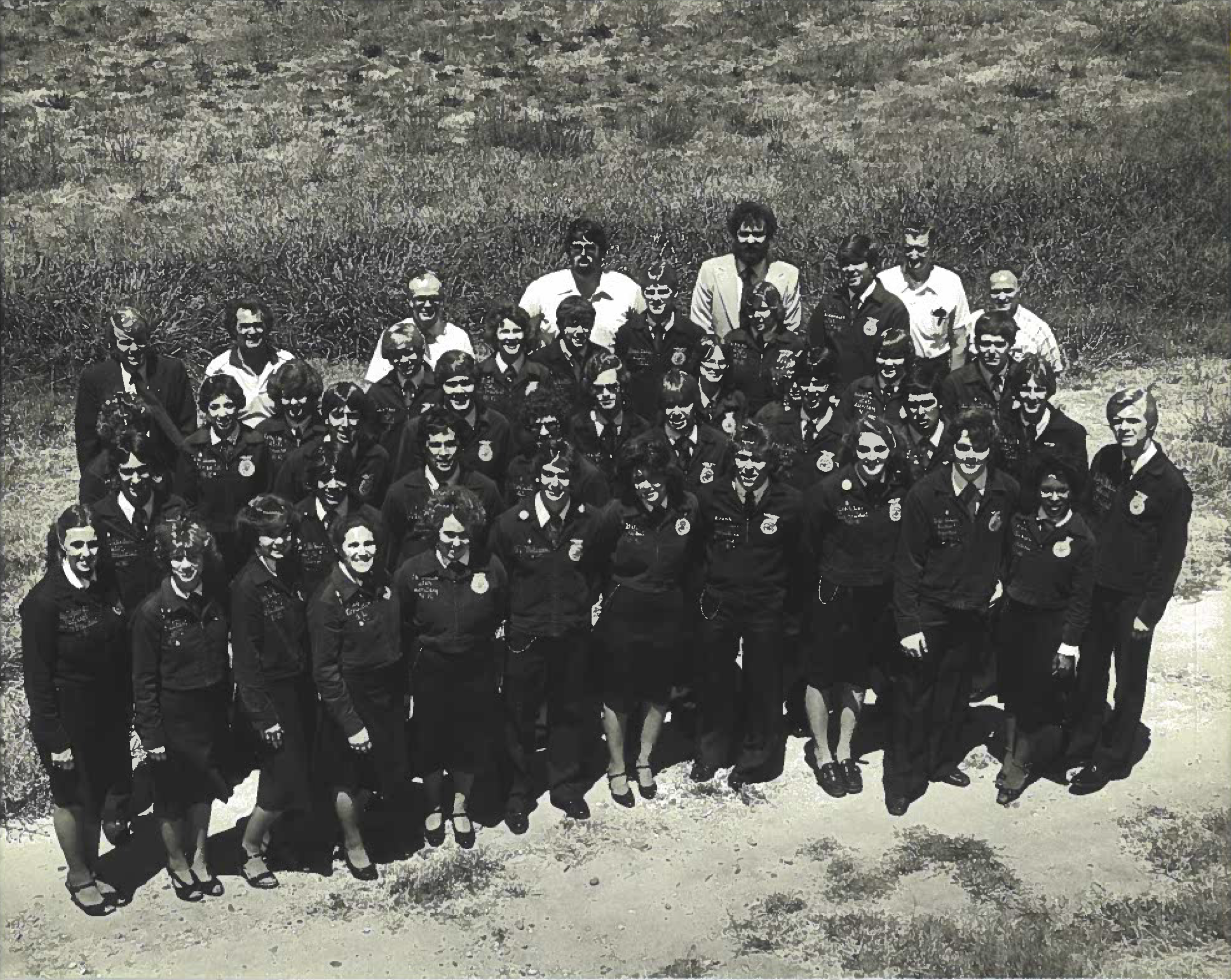
1990s: NEW HORIZONS & URBAN GROWTH
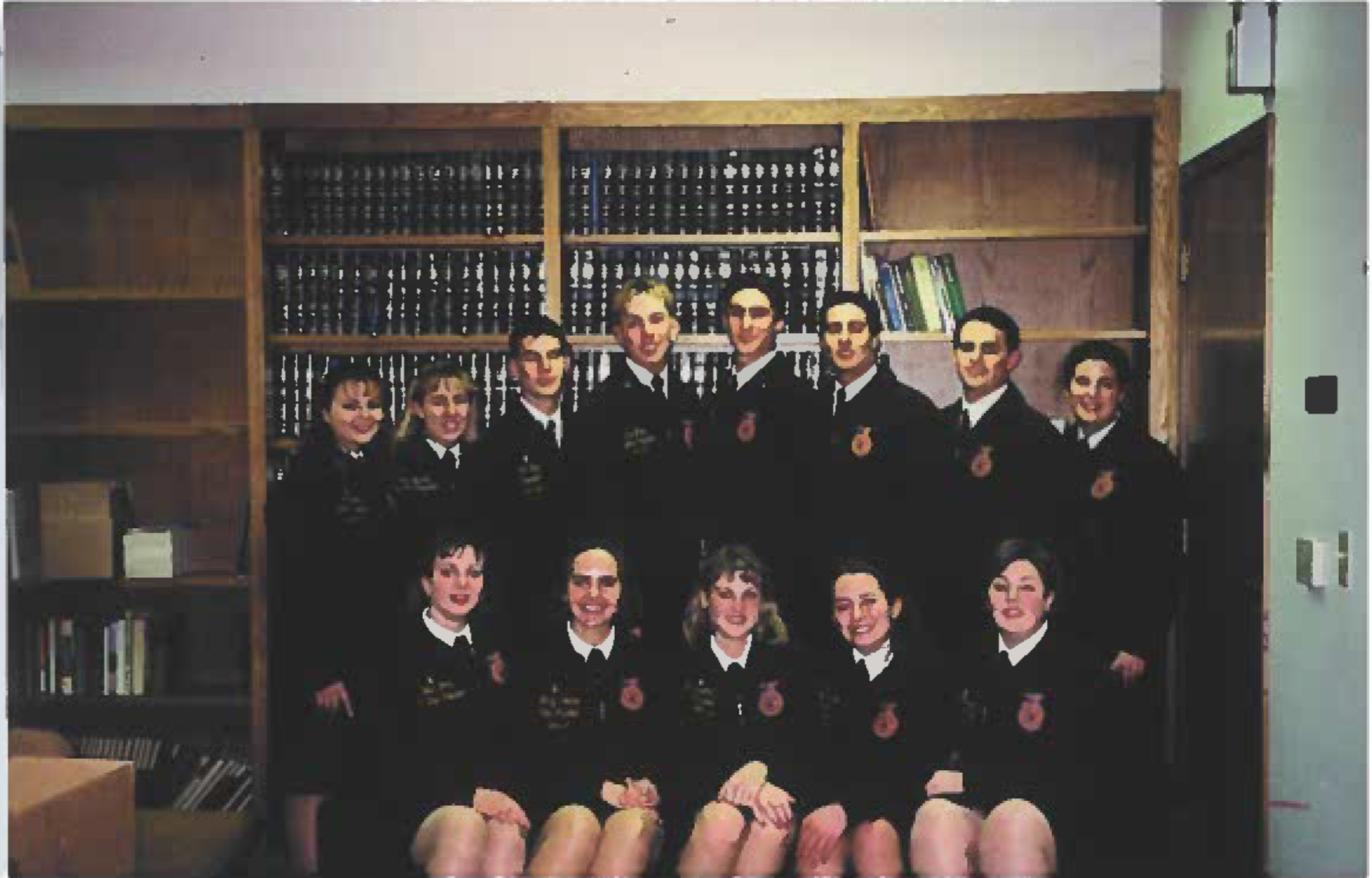
As membership continued to grow, the organization continued to adapt. Urban chapters bloomed alongside traditional ones. Agriscience programs launched as California agriculture embraced biotechnology, environmental stewardship, and new ways to feed the world. To accommodate its expansive growth, the state convention moved to Fresno in 1994, where it remained until 2016. For members up and down the state, it didn’t matter where the annual gathering took place. The feeling inside the jacket stayed identical: home.
2000s-2010s: RECORD- BREAKING REACH
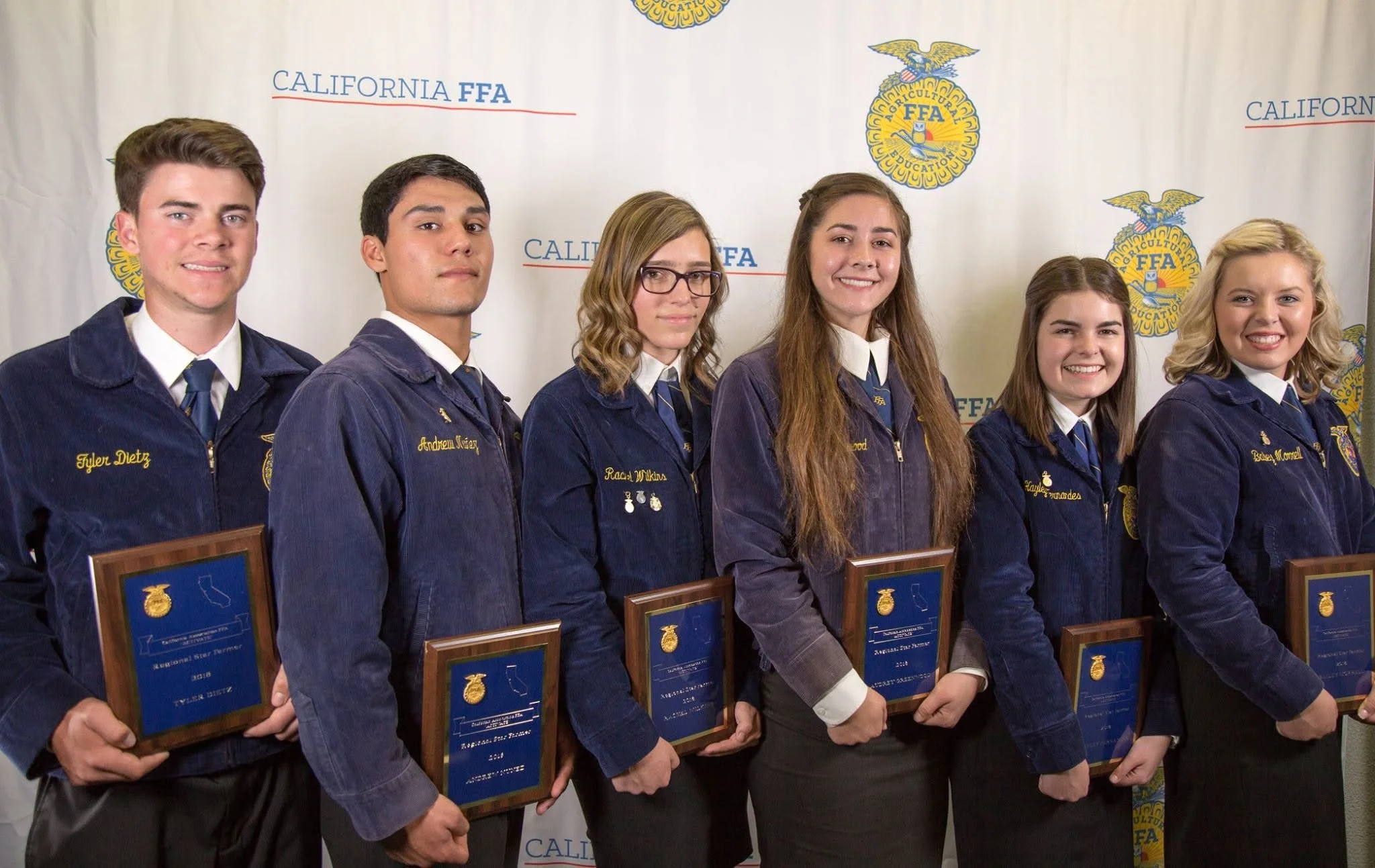
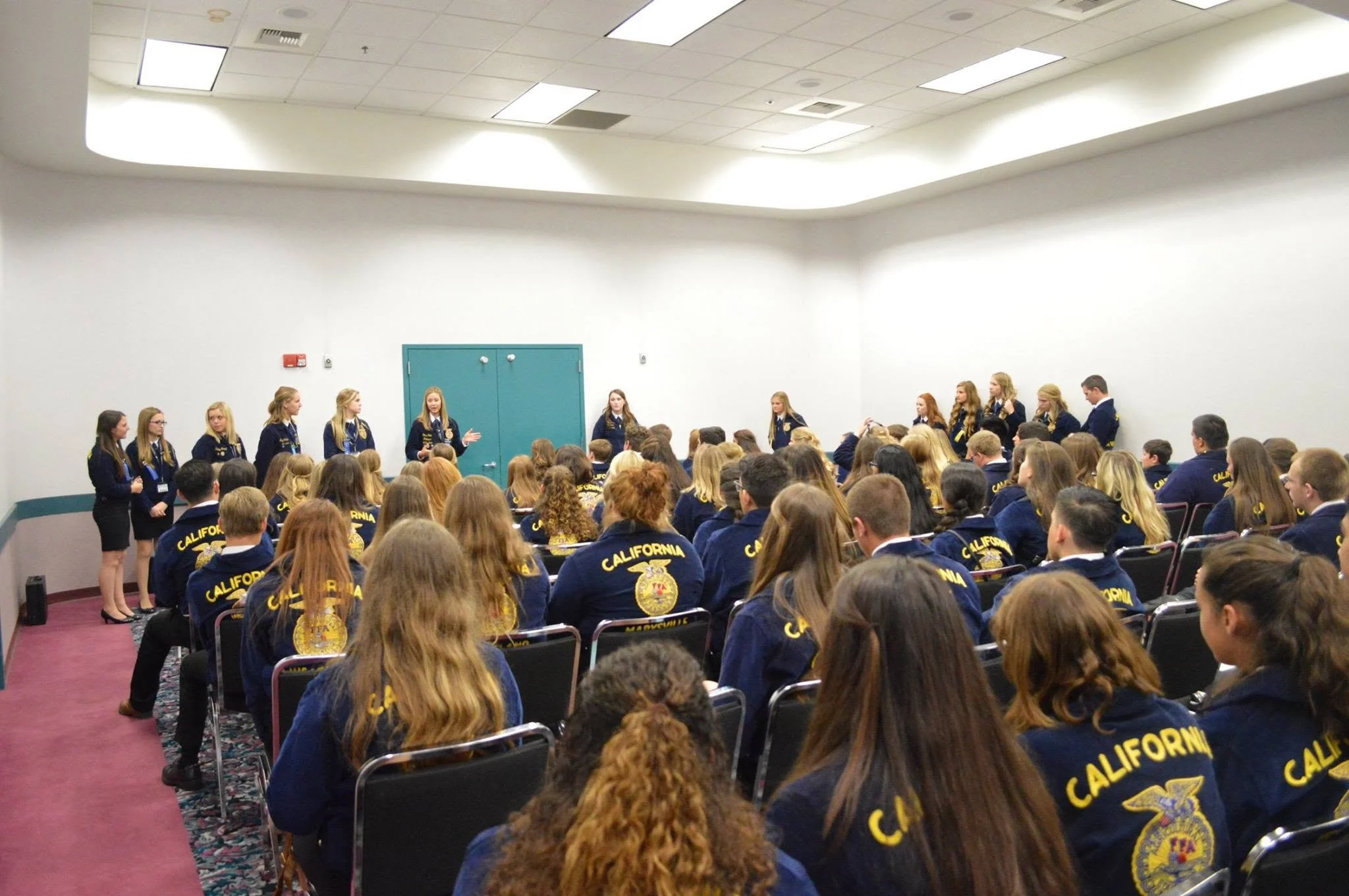
In 2005, California FFA officially became the largest state association in the nation by membership. Like never before, jackets filled arenas, high school hallways, and classrooms. The blue corduroy reached more shoulders than ever—proving the organization’s power to unite and inspire had only grown deeper and wider. It became the decade of record membership, record-winning teams, and record dreams come true.
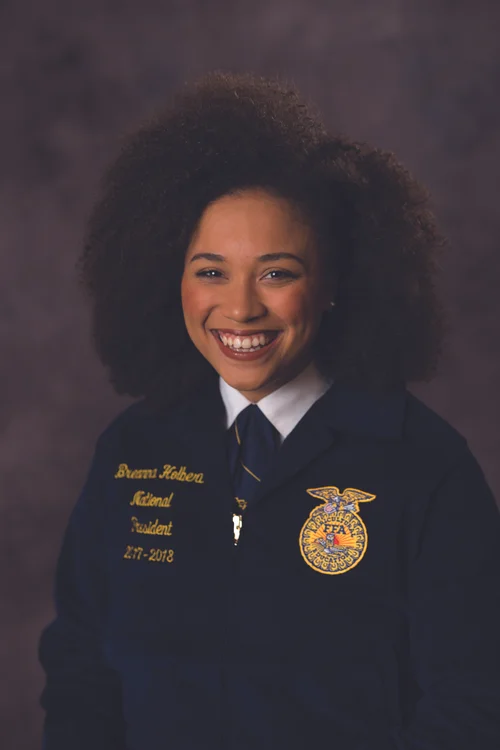
One of those dreams was the opening of the California FFA Center in Galt. The six-acre property became a united place for all California FFA operations and also became home to the state office dormitories, where future teams would become family. In 2017, another monumental moment occurred for California FFA. Breanna Holbert of Lodi-Tokay FFA was elected as the first African American female president of the National FFA Organization.
By 2018, our state’s membership had reached an astounding high, with more than 92,000 members across 338 chapters. This era proved that California FFA's greatest strength was never just its size—it was its ability to bring people together. Every blue jacket represented a student discovering confidence, finding purpose, and becoming part of a legacy that continued to grow stronger with each new generation.
2020s: RESILIENCE & THE JACKET THAT WOULDN’T QUIT
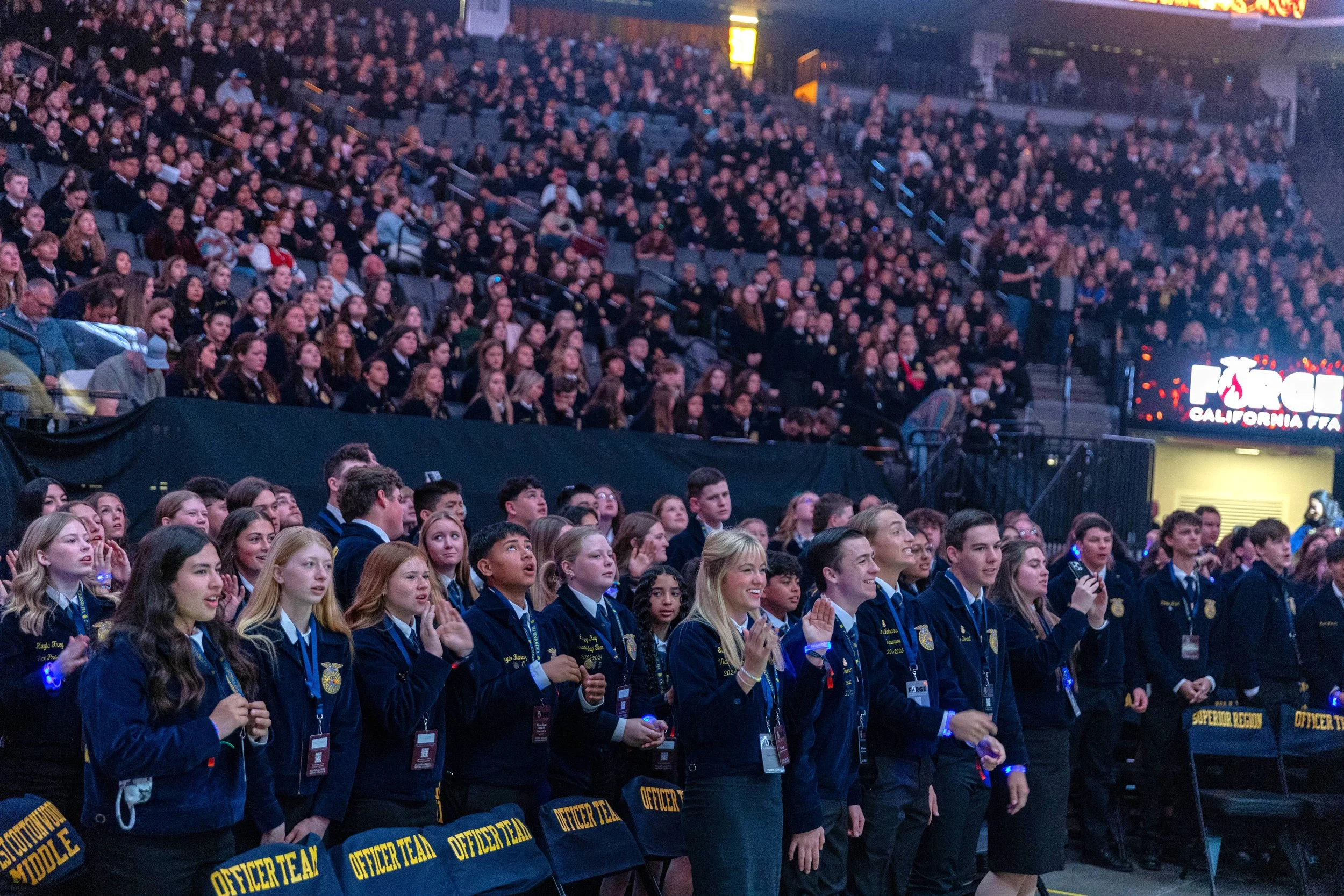
The early 2020s began with a pandemic that shut down schools, fairs, and conferences. But it could not shut down the spirit of FFA members. Even with virtual contests, online meetings, and conferences in front of a screen, the spirit and pride of FFA members could not be dimmed. As communities reopened, California FFA returned stronger than ever. The State FFA Leadership Conference came roaring back, once again bringing thousands of members together to celebrate achievement, leadership, and connection. Today, the conference alternates between Sacramento and Ontario, reflecting the diversity and reach of an organization that spans every corner of the state.
As California agriculture continues to evolve, so do the ways FFA members gain real-world experience. Today's SAE model reflects the breadth of modern agriculture and its many career pathways, giving students opportunities to build businesses, participate in work-based learning, conduct research and explore careers across the industry. From production agriculture to science, technology, communications and business, today's members are gaining experience in an industry that looks very different from the one California FFA was founded on, while carrying forward the same tradition of learning by doing.
In 2023, California FFA hit its biggest milestone yet, surpassing 100,000 members. Shortly after, in 2025, California FFA experienced yet another milestone, exceeding 110,000 members. Today, California FFA remains one of the largest state associations within the National FFA Organization, and those numbers only continue to grow. However, the most remarkable part of the story isn't the numbers. It's the continuity. The same feeling that connected a small group of agricultural education pioneers in Oakland in 1928 continues to inspire a new generation of leaders navigating an ever-changing world. Through innovation, challenge, and opportunity, California agriculture has evolved—and so has California FFA—but the mission remains unchanged: to prepare students for leadership, personal growth, and career success.
As California FFA approaches its Centennial, the story is still being written. The next chapter belongs to the members, advisors, alumni, and supporters who will carry this legacy forward. It's time to dust off the jacket, reconnect with the memories and relationships that shaped us, and ensure that FFA continues to inspire future generations for the next 100 years.
Your jacket still holds every memory that shaped you and helped build California agriculture.
Zip your email and chapter into the Reconnect List today and help us reunite the whole FFA family for the next century of blue and gold.